
In October 2013, while attending the Maljeveq Festival at the Paiwan Tjuabare Village in Taiwan, I met Dr. Hsu, who gave up his high-paying job as a hospital physician to return to his tribe. In the nation’s capital of Taipei, on average, one doctor serves 86 people; in this rural area, one doctor serves more than 4,000 people. It was Dr. Hsu’s goal to build a village hospital here to better serve the people of his tribe. While embarking on this ambitious goal, Dr. Hsu had a stroke at age 39 which paralyzed his left hand and foot.
The story continued after my return in January 2017 to the United States, where I found myself facing the changing political climate and immigration policy. These changes precipitated a series of discussions between me, Asian Americans and other minorities. While I am a member of the majority ethnic group in Taiwan, as a first-generation immigrant in the US, I find myself in the minority population. Simultaneous membership in both the majority and minority has given me a unique perspective.
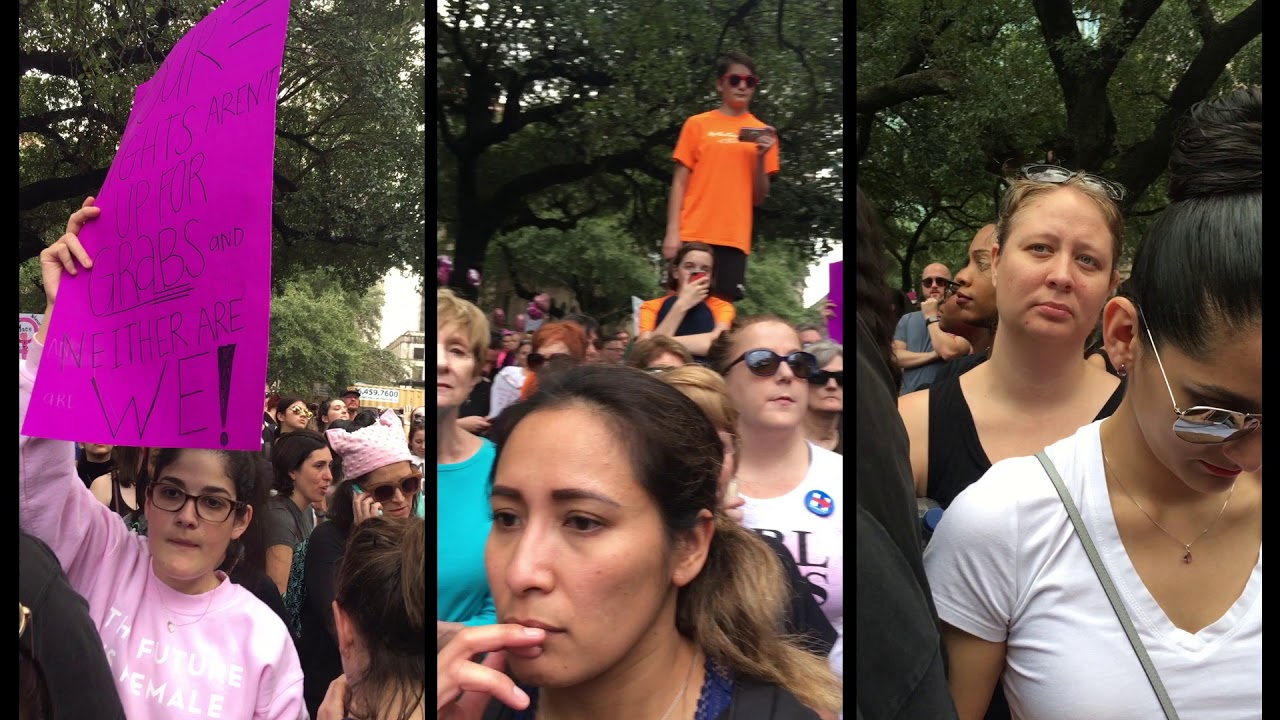
Messages incorporates thoughts on empathy, diaspora, cultural identity, and hope for the future. The stage presentation is lavish, but clean and minimal: it consists of a narrator and small chamber ensemble. To enhance the story-telling, there are some visual and audio materials, taken from the Paiwan village and the Women’s March demonstration in Houston protesting the immigration ban.
This project is interesting and challenging for me for several reasons. First, as a composer who normally expresses ideas through abstract music, rather than conveying emotions and personal beliefs with words, my attempt to tell this personal story through my music as well as my own lighting and staging design expands my communicative palette. Furthermore, while conventional opera deals with historical stories or legends, Messages deals with current issues about living people. I believe the issues of social justice and personal identity explored in this project are universal and relevant to audiences everywhere, particularly as globalization fuels racial integration and redefinition of the status quo at an unprecedented pace.